Get SET to Maximize Success in Fitting and Office Management
Success Enhancement Tools (SET) have been developed to provide new capabilities to office management systems, real-ear speech mapping, and virtual sound/multimedia testing.
Read More
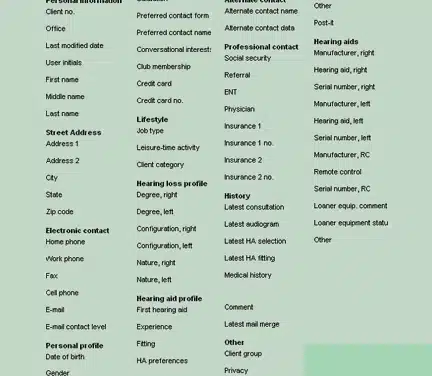
Success Enhancement Tools (SET) have been developed to provide new capabilities to office management systems, real-ear speech mapping, and virtual sound/multimedia testing.
Read More
The Listening and Communication Enhancement (LACE) system, created by UCSF’s Robert W. Sweetow, PhD, and colleagues, is an interactive tool that provides listening retraining via home computer or TV.
Read More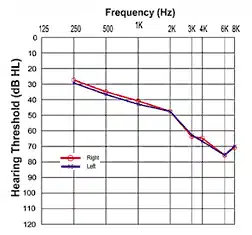
Results from a clinical hearing-in-noise study on a new digital hearing instrument.
Read More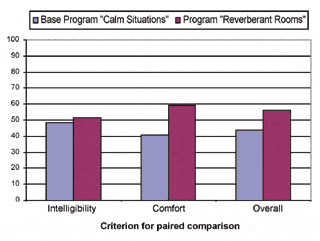
A new hearing aid function has been created that reduces the influence of reverberation in both directional and omnidirectional microphone modes.
Read More
The eighth annual Oticon Audiology Summer Camp brought together over 70 students from 27 different graduate school programs for five days of fun and education.
Read More
Do you have a patient that has some name recognition? If so, the BHI needs your help.
Read More
A sneak-peek at the events and exhibition floor offerings at this year’s conventions.
Read More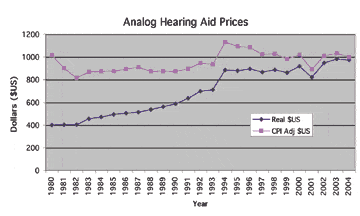
When comparing analog instruments of 1980 to those of 2004, and adjusting for inflation, the cost of operating a hearing aid is less today than 25 years ago. Although average hearing aid prices for all hearing instruments have increased in the last 10 years due to CIC technology, programmability, and digital circuitry, today’s consumer has a far greater range of pricing options and choice of quality products and services.
Read MoreAt this year’s Self Help for Hard of Hearing People (SHHH) Convention in Washington, DC, a panel of six individuals with hearing impairment spoke about the wide differences in hearing care there are throughout the world—and what needs to be done to bring better hearing to the world.
Read More