U.S. Medicare spending triggers new funding proposal
Watchdog group expects Bush to propose benefit cuts or invite tax increase.
Read More
Watchdog group expects Bush to propose benefit cuts or invite tax increase.
Read MoreDeborah F. Adamczyk, MA, master teacher and speech-language pathologist will become Director of School Services in Speech-language pathology at ASHA.
Read MoreWelcome to the 2008 Walking Guide to the AAA Convention, brought to you by Hearing Products Report and The Hearing Review. Each year, the convention provides a forum for hearing health care professionals to see the latest products, services, and
Read More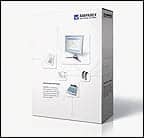
American Overseas Trading Corp Booth No 1869 AMPAREX Amparex is the new complete practice management software for hearing specialists and audiologists. Includes patient management, hearing aid treatment, invoicing as well as statistics a
Read MoreSee List of Exhibitors (PDF – 2 MB).
Read MoreSee AAA Walking Map Tour (PDF – 2 MB).
Read MoreWelcome to the 2008 Walking Guide to the AAA Convention, brought to you by Hearing Products Report and The Hearing Review. Each year, the convention provides a forum for hearing health care professionals to see the latest products, services, and
Read More
Audio Energy Audio Energy provides customized battery packaging that enables the dispenser to see more patients, sell more hearing aids, and create customer referrals—all popular packaging options available. (800) 332-2323www.audioenergy.com
Read More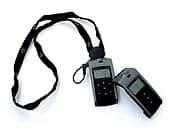
Bo Edin AB UniVox hearing assistance systems are both cost-effective and unobtrusive. Unlike FM systems, induction loop systems are easy to maintain and are compatible with telecoil-equipped hearing aids–already owned by many hard of hearing peo
Read More
American Overseas Trading Corp Booth No 1869 AMPAREX Amparex is the new complete practice management software for hearing specialists and audiologists. Includes patient management, hearing aid treatment, invoicing as well as statistics a
Read More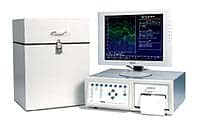
Acoustic Systems Acoustic Systems manufactures a wide range of modular acoustic enclosures for audiology and hearing conservation programs. Factory trained representatives will help plan your project. (800) 749-1460 www.acousticsystems.com
Read More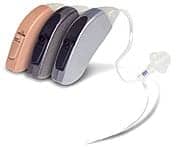
Audifon GmbH Manufacturer and distributor of a complete range of digital, programmable, and classical hearing instruments. Audifon Germany was established in 1955. The creation of Audifon USA Inc is the latest in its efforts to promote better he
Read More
A look at the new products and services being offered at the American Academy of Audiology AudiologyNOW! Convention in Charlotte, NC, on April 2-5.
Read MoreThe Hearing Industries Association held its annual members meeting in which discussions were held about the key issues confronting the hearing care industry.
Read MoreHear The World Magazine Features Annie Lennox and Lindsay Lohan; Wins International Sponsoring Award 2007 The quarterly magazine Hear the World, part of a global hearing-awareness initiative sponsored by Phonak, features award-winning musician, Annie
Read More