Study Offers New Model of How the Cochlea Processes Sound — With Implications for Hearing Aid Fitting
A network-based framework for modeling cochlear sound processing may inform more personalized hearing aid and cochlear implant settings.

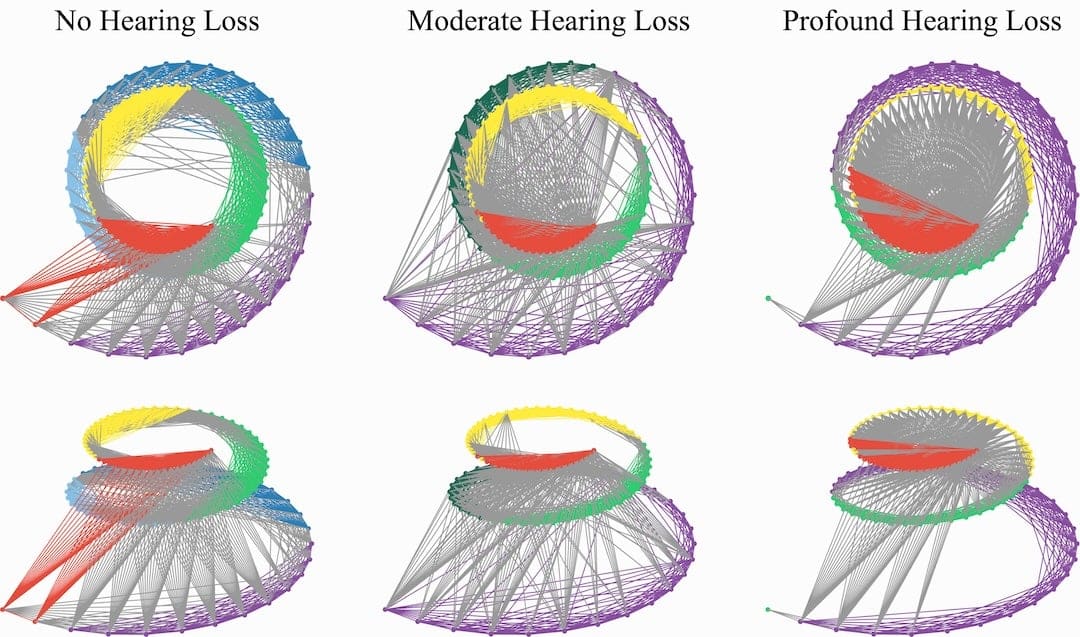
A network-based framework for modeling cochlear sound processing may inform more personalized hearing aid and cochlear implant settings.

WSA's new EMPOWERS U program connects Doctor of Audiology students with mentorship, paid externships, scholarships, and career-placement support through structured university partnerships.






The Department of Education’s exclusion of audiology from its new federal “professional degree” designation could have the unexpected benefit of prompting the profession to explore collaborative solutions and intensify advocating for policy change.


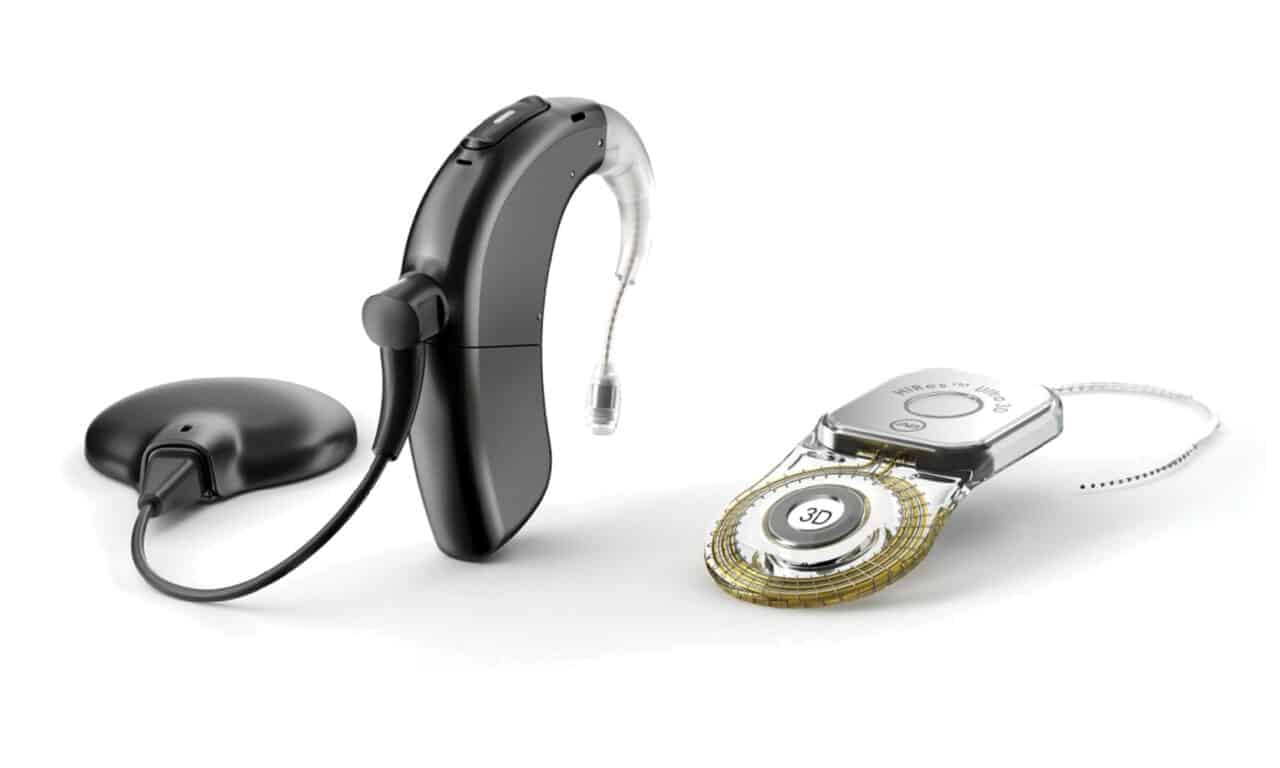
The newly approved indications broaden eligibility for adults and children with single-sided deafness or asymmetric hearing loss.

ATA Academy is an online education platform aimed at training audiologists and other healthcare providers in evidence-based tinnitus assessment and management.

A federal court has issued a preliminary injunction halting the Department of Education's narrowed definition of "professional degree," temporarily restoring higher federal borrowing limits for Doctor of Audiology students.

nnoCaption is announcing a planned leadership transition to guide its next phase of growth.

The dual-sensing ear canal probe technology is inspired by how spiders send sound through their webs.

More than 100 Oticon employees joined Community Hope's 2026 Flag Day 5K and Fun Walk, marking the largest team turnout in the event's history for the hearing healthcare company.